How to Choose EMF Protection Products for a More Informed Everyday Lifestyle
Liam Parker
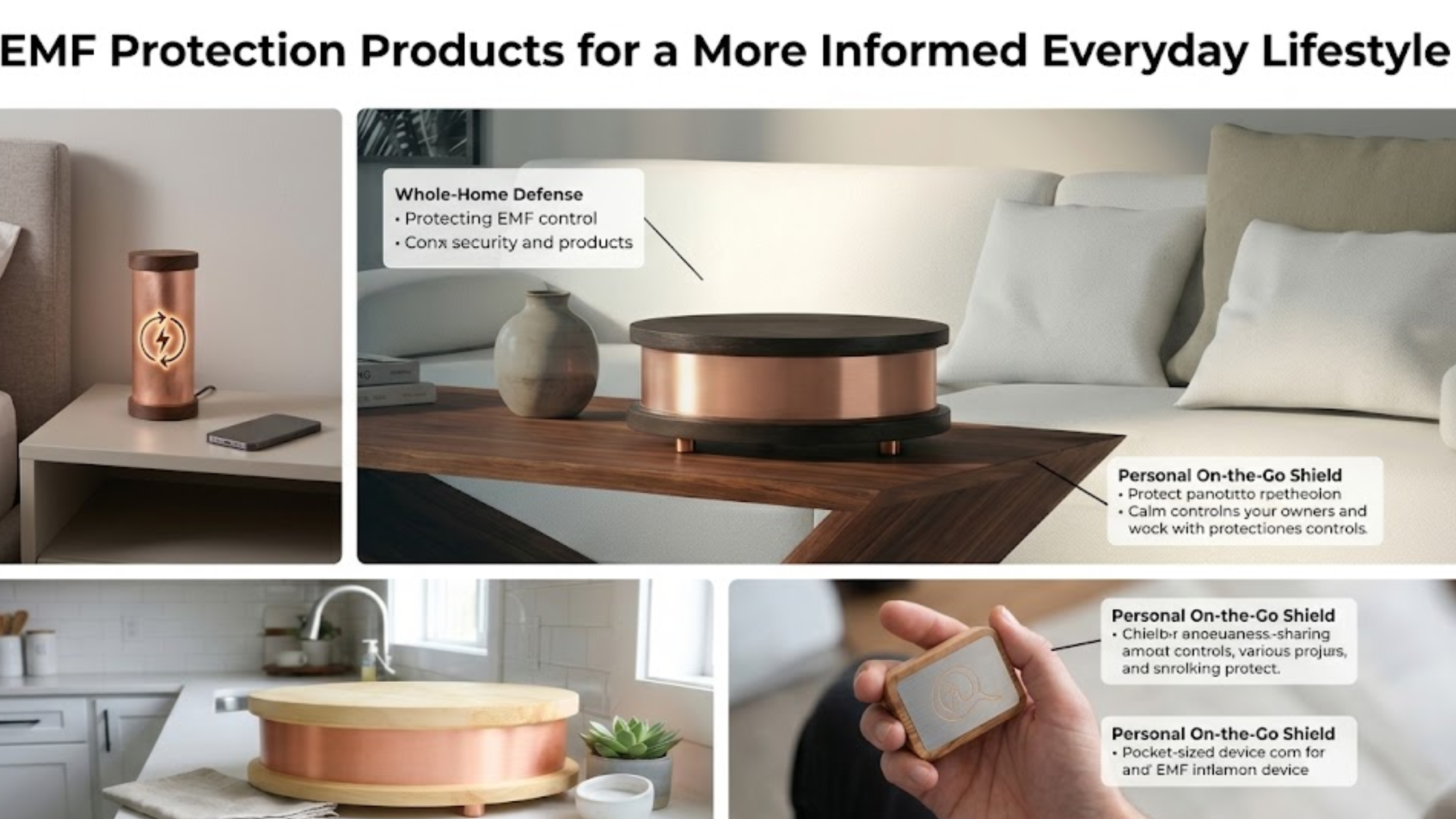
Learn how to choose EMF Protection Products, evaluate scientific evidence, compare product claims, and make informed decisions about everyday electromagnetic field exposure.
Modern technology makes everyday life easier. However, electronic devices raise questions about electromagnetic field (EMF) exposure. Smartphones, laptops, Wi-Fi routers, and household appliances all produce electromagnetic fields. Consequently, many consumers explore EMF Protection Products to understand their options and make informed decisions. However, choosing suitable products can feel confusing. Online claims often promise impressive results without explaining the available scientific evidence. Additionally, manufacturers use different materials, designs, and protection claims. Therefore, understanding the basics helps you avoid unnecessary purchases and identify practical solutions. Meanwhile, Waveguard offers options for consumers exploring EMF-related products. However, understanding EMFs, exposure levels, and scientifically supported precautions remains essential before purchasing any device.
Understanding Common Concerns About Everyday EMF Exposure
Electronic devices now support work, communication, entertainment, and everyday activities. However, their widespread use has raised concerns about electromagnetic field (EMF) exposure. Consequently, many consumers research EMF Protection Products to understand their options and make informed decisions. Moreover, many people encounter three common challenges when researching these products.
Confusing Information and Marketing Claims
Online marketplaces offer countless products that claim to block, neutralize, or reduce electromagnetic fields. However, consumers may struggle to evaluate these claims without technical knowledge. For example, some advertisements use scientific terminology but provide no independent testing results. Additionally, other advertisements suggest that every electronic device poses the same level of concern. Consequently, consumers may struggle to distinguish measurable performance from unsupported promises.
Difficulty Comparing Different Products
EMF Protection Devices come in various designs, materials, and applications. For example, some products claim to shield specific areas, while others use different approaches. However, these products do not necessarily provide equal protection. Their effectiveness depends on design, operating frequencies, placement, and testing conditions. Therefore, buyers should evaluate each product based on its intended function. Additionally, comparing verified specifications helps buyers make informed decisions. Ultimately, buyers should prioritize reliable testing over marketing claims alone.
Uncertainty About Practical Safety Measures
Consumers sometimes assume they need specialized products to manage everyday EMF exposure. However, simple adjustments can reduce exposure from specific sources without additional purchases. For example, increasing your distance from transmitting devices generally reduces exposure. Therefore, understanding these principles helps you make informed decisions before investing in additional equipment.
What Causes Confusion About Electromagnetic Fields?
Electromagnetic fields arise from electrical charges and electromagnetic radiation. They occur naturally and also originate from human-made sources. For example, communication equipment and household appliances produce electromagnetic fields. However, electromagnetic fields do not all behave identically. Their frequency, intensity, and interactions with materials influence their characteristics.
Understanding Different Types of EMFs
Electromagnetic fields include both non-ionizing and ionizing radiation. For example, mobile phones and Wi-Fi equipment emit non-ionizing radiofrequency radiation. Unlike ionizing radiation, non-ionizing radiation lacks enough energy per photon to ionize atoms. However, exposure conditions still matter, especially at sufficiently high intensities. Meanwhile, scientists assess different frequencies, exposure levels, and biological effects separately. Therefore, consumers should not assume every EMF source presents the same risk.
Why Product Claims Require Careful Evaluation
Manufacturers may describe products as shielding, harmonizing, or neutralizing electromagnetic fields. However, these terms do not automatically prove meaningful protection. For example, effective electromagnetic shielding requires suitable materials and proper construction. Additionally, performance depends on the tested frequency and the product's configuration. Therefore, buyers should check independent laboratory results and clearly defined measurement methods. Reliable evidence helps buyers distinguish proven shielding performance from unverified claims.
Practical Ways to Manage Everyday EMF Exposure
However, you can improve your everyday habits without purchasing specialized equipment. Additionally, several simple measures can help you manage exposure from specific sources.
Increase Your Distance From Devices
Distance plays an important role in managing exposure to many radiofrequency sources. For example, use your phone’s speaker function to keep the handset away from your head. Additionally, avoid carrying an actively transmitting phone directly against your body. Instead, place it on a nearby surface whenever practical. Furthermore, keep laptops and other transmitting devices at a comfortable distance. These simple adjustments generally require no additional spending.
Reduce Unnecessary Wireless Transmission
Some devices continue transmitting signals even when you are not actively using them. Therefore, disabling unnecessary wireless connections can reduce certain transmissions based on your needs. For example, airplane mode disables cellular transmission on compatible devices. However, Wi-Fi and Bluetooth may remain available or reactivate separately. Therefore, check your device settings to identify which connections remain active. Finally, disable unnecessary connections whenever convenient, especially when you do not need wireless connectivity.
Choose Reliable Information Before Buying
Before purchasing EMF Protection Products, carefully review the manufacturer's documentation. First, look for specific performance claims supported by independent testing. Next, check whether the results identify the tested frequency range and measurement conditions. Also, determine whether testing covers the complete product or only individual materials. Furthermore, avoid products promising universal protection without explaining their mechanisms. Finally, choose transparent manufacturers who clearly communicate their products' capabilities and limitations.
Choosing Waveguard Products With Greater Confidence
After understanding practical exposure-management strategies, you can compare specialized products. For example, Waveguard offers EMF-related solutions that consumers can research. However, base your purchasing decisions on evidence rather than brand recognition alone. First, identify your specific concerns and determine the protection you expect.
Match the Product to Your Actual Needs
Different EMF Protection Devices serve different purposes. Therefore, identify whether you need shielding for a specific source or better exposure information. Next, examine each product's construction, intended use, and documented performance. Additionally, verify whether available testing covers relevant frequencies and conditions. When evaluating Waveguard Products, prioritize clear technical explanations and independently verifiable evidence. Consequently, you can compare available options without relying solely on promotional claims.
Prioritize Independent Testing and Transparency
Independent testing provides a stronger basis for evaluating technical performance. However, each test result supports only specific conditions and measurements. For example, a material’s shielding performance does not automatically prove reduced overall personal exposure. Instead, placement, frequency, and surrounding conditions can influence the results. Therefore, request detailed reports whenever manufacturers provide them. Additionally, verify whether qualified laboratories conducted the measurements. Check whether the testing methods appropriately evaluate the product’s intended performance. Most importantly, never assume EMF Protection Products prevent health problems solely because manufacturers advertise EMF protection.
Benefits of Making Better-Informed Purchasing Decisions
A careful approach to EMF Protection Products offers several practical advantages. First, you can distinguish useful features from unsupported marketing claims. Second, evaluate products before purchasing to avoid unnecessary spending. Instead, prioritize affordable behavioral changes before considering specialized equipment. Third, understand technical specifications to compare products more effectively. For example, assess materials, testing methods, intended applications, and limitations consistently. Finally, make informed decisions to maintain realistic expectations. Use products alongside sensible device-use habits rather than replacing established safety guidance. Additionally, investigate Waveguard if its available products match your specific requirements. However, verify the evidence behind each claim before deciding whether a purchase offers meaningful value. Remember, no single product can be assumed to eliminate every electromagnetic field. Therefore, consider different technologies and environmental conditions when choosing appropriate protection methods.
Make Smarter Choices About EMF Protection Products
Choosing EMF Protection Products becomes easier when you understand the science and evaluate claims carefully. First, increase your distance from transmitting devices and disable unnecessary wireless connections. Next, research specialized solutions by reviewing transparent specifications and independent testing. Then, compare each product’s documented capabilities with your actual needs before spending money. If you consider Waveguard Products, examine the available technical evidence carefully. Also, confirm what each product can demonstrate through reliable testing. Avoid vague promises or assumptions that advertised protection guarantees health benefits. Ultimately, informed purchasing matters more than buying the most expensive equipment. Therefore, combine sensible habits with evidence-based product comparisons. This approach helps you make confident decisions about technology use and your everyday environment.
Comment:
Your email address will not be published. Required fields are marked *
Search
Categories
Related Posts

Oct 15, 2026
How to Choose Personalized Leather Gifts That Feel Meaningful and Last Longer
Discover how to choose Personalized Leather Gifts that combine quality, durability, and sentimental value. Explore custom engraved accessories and personalized groomsmen gifts for memorable occasions.

Oct 15, 2026
How to Choose a Portable Digital Camera for Travel Without Missing Special Moments
Discover how to choose a portable digital camera for travel by comparing image quality, portability, battery life, storage, and ease of use. Explore Camp Snap for simple travel photography.

Oct 15, 2026
How to Find Sports and Concert Tickets Online
Learn how to find sports and concert tickets online by comparing seating, prices, fees, delivery options, and buyer protections for basketball games, baseball matchups, and live concerts.