How to Choose Natural Hair Color Without Compromising Hair Care
Mason Brooks
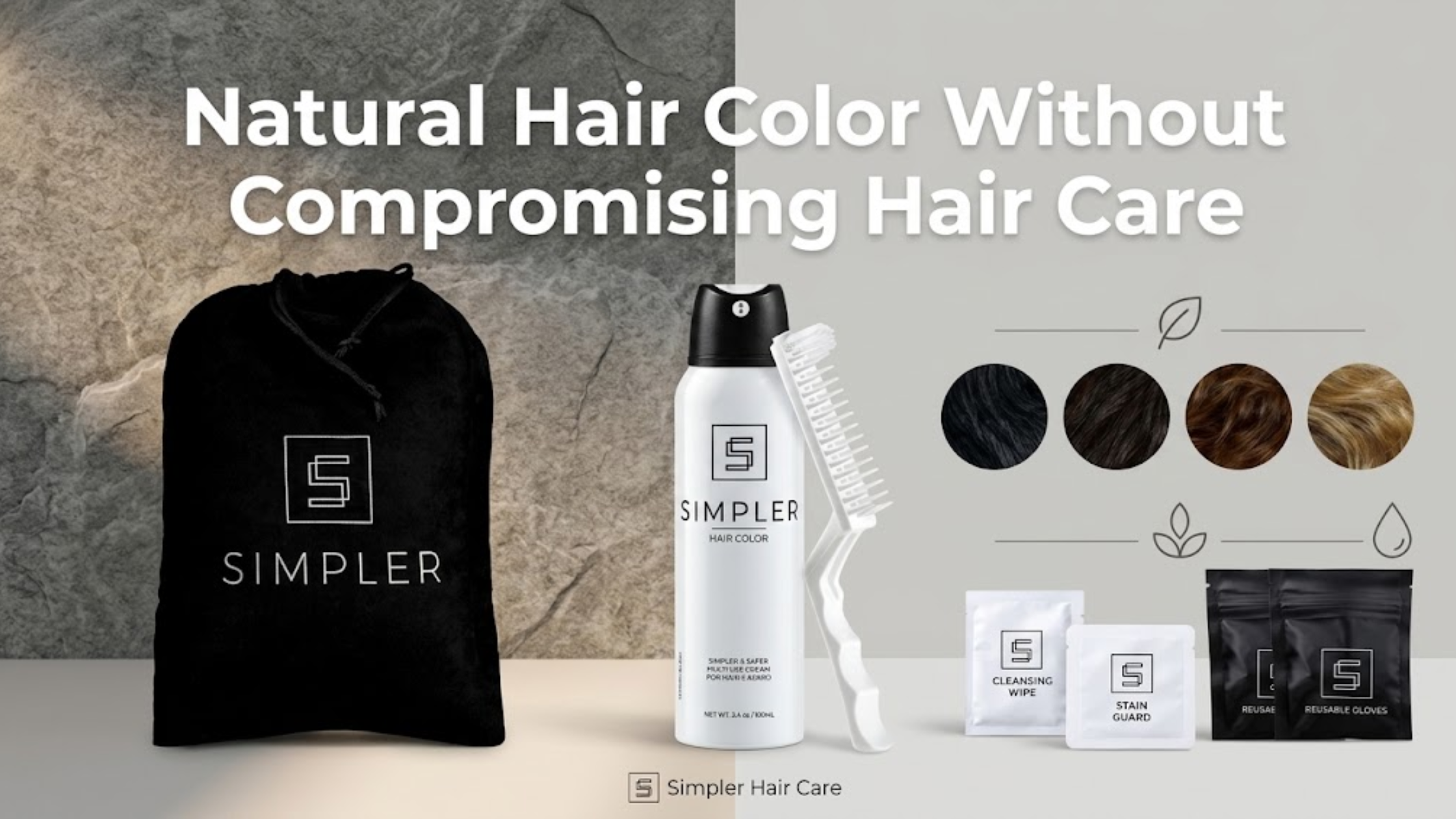
Learn how to choose natural hair color by comparing ingredients, selecting suitable shades, protecting hair health, and simplifying your coloring routine with Simpler Hair Color Products.
Choosing the right hair color can feel surprisingly difficult. You want beautiful color without unnecessary dryness, harsh odors, or complicated application. However, traditional dyes may contain ingredients that irritate sensitive scalps or leave hair feeling dry. Fortunately, you can make smarter choices by understanding your coloring needs. The right Natural Hair Color option should match your desired shade, application preferences, and hair care routine. Additionally, compare ingredients and product instructions to make confident decisions. Furthermore, explore Simpler Hair Color Products for a more convenient coloring experience. Ultimately, understanding your priorities helps you find products that better suit your lifestyle.
Why Choosing the Right Hair Color Can Be Challenging
Hair coloring involves more than choosing an attractive shade. Additionally, your hair condition, scalp sensitivity, and maintenance habits influence your overall coloring experience.
Harsh Ingredients Can Cause Discomfort
Some people experience scalp irritation, itching, or redness after using certain hair dyes. However, individual sensitivity determines how people react to specific ingredients. For example, ammonia can produce a strong odor during application. Additionally, other dye ingredients may trigger allergic reactions in susceptible individuals. Therefore, always read product labels before purchasing any hair coloring product. An Ammonia-Free Hair Dye may reduce ammonia-related odors and exposure. However, ammonia-free formulas can still contain ingredients that cause irritation.
Color Results May Not Match Expectations
Choosing a shade online can create unrealistic expectations. However, your natural hair color, previous treatments, and existing gray hairs affect the final result. For instance, darker hair may require additional processing to achieve a lighter shade. Similarly, previously colored hair may respond differently than untreated hair. Therefore, check shade descriptions and application instructions to prevent disappointment. Additionally, perform a strand test to see how the formula may appear on your hair.
Maintenance Can Become Expensive and Time-Consuming
Frequent hair coloring can require considerable time and money. Additionally, some shades need regular touch-ups to maintain their appearance. However, busy schedules can make complicated coloring routines frustrating. Therefore, choose a suitable product and realistic maintenance schedule to simplify your hair care routine.
What Causes Hair Color Problems?
Understanding common coloring challenges helps you make informed purchasing decisions.
Ingredient Sensitivity and Hair Condition
Hair dyes contain ingredients that support color development and application. However, personal sensitivity and specific formulas can cause different reactions. Additionally, repeated chemical processing can cause dryness and breakage. Heat styling, environmental exposure, and unsuitable hair care products can worsen these problems. Therefore, assess your hair’s condition before choosing a new color. If your hair feels fragile, consult a professional colorist before processing it again.
Incorrect Shade Selection
Many people choose hair color based solely on product photos. However, lighting, screen settings, and natural hair pigmentation can affect expectations. Additionally, previous coloring treatments can influence the final result. Therefore, check the manufacturer's shade guide and follow its recommendations carefully.
Poor Application and Aftercare
Uneven dye application can cause inconsistent color results. Additionally, leaving dye on longer than instructed may increase irritation or damage risks. Meanwhile, aggressive washing and frequent heat styling can make colored hair look dull. Therefore, follow application instructions and use suitable aftercare products to maintain your hair's appearance.
Practical Ways to Choose Better Hair Color
You don’t need an expensive salon appointment for every coloring decision. Instead, follow a few practical steps before purchasing your next product.
1. Read the Ingredient List Carefully
Start by reviewing the complete ingredient list and product warnings from Simpler Hair Color. Additionally, avoid ingredients that have previously caused reactions if you have known sensitivities. An Ammonia-Free Hair Dye may suit people who prefer formulas without ammonia. However, ammonia-free formulas are not automatically hypoallergenic, chemical-free, or damage-free. Always follow the manufacturer’s allergy-testing instructions before applying the product. Meanwhile, use a strand test to check color performance. However, remember that a strand test does not replace an allergy test.
2. Match the Shade to Your Hair
First, choose a shade that complements your natural hair color and desired results. Additionally, consider your current hair color, gray coverage needs, and previous chemical treatments. If you want a dramatic change, consult a professional before coloring your hair. This step helps you avoid unwanted results because permanent color cannot reliably lighten previously colored hair. For subtle changes, compare nearby shades and set realistic color expectations. Consequently, you can avoid unnecessary color corrections and repeated chemical processing.
3. Prioritize Hair Condition and Comfort
Healthy-looking hair starts with thoughtful coloring choices. Therefore, choose a formula that suits your hair type and follow its recommended application process. After coloring, use a gentle shampoo and moisturizing conditioner. Additionally, reduce excessive heat styling and protect your hair from unnecessary stress. However, no coloring product can guarantee damage-free results. Your hair’s condition, the formula, and the application method all influence the final results.
4. Compare Convenience and Long-Term Value
Price alone does not determine a product’s overall value. Instead, consider application time, shade availability, instructions, and ongoing maintenance. Meanwhile, some people prefer salon services, while others enjoy coloring their hair at home. Therefore, consider your schedule, experience, and desired results before deciding. Furthermore, review customer feedback carefully and identify consistent comments about application and color performance. Finally, avoid relying solely on promotional photographs or unsupported claims.
Why Consider Simpler Hair Color Products?
Once you understand your coloring needs, you can explore suitable brands more easily. For example, Simpler Hair Color offers an option worth considering when researching convenient hair coloring solutions. Before choosing, review the available shades, ingredients, directions, and suitability for your hair. Additionally, check whether the specific formula meets your expectations. This approach helps you avoid assuming every product delivers identical benefits.
Find a Formula That Fits Your Routine
A convenient coloring product should match your schedule and application preferences. Additionally, clear instructions help you understand the process and avoid common mistakes. When exploring Simpler Hair Color Products, compare the available options carefully. Next, check their ingredients, intended results, and maintenance requirements before deciding. If you prefer Natural Hair Color, remember that the term has different meanings. For example, some people prefer shades that closely match their original hair color. Meanwhile, others choose plant-based or naturally derived coloring ingredients. Therefore, check the formula instead of relying solely on the word “natural.” Ultimately, product ingredients and verified claims provide more useful information than marketing terminology.
Focus on Benefits You Can Verify
The best coloring option depends on your personal priorities. For example, you might prefer easy application, a specific shade, or an ammonia-free formula. Therefore, compare available Simpler Hair Color options against your individual requirements. Also, review product-specific information to determine whether each formula suits your hair. Additionally, consider the entire coloring experience rather than focusing only on initial results. Carefully follow application instructions and aftercare recommendations to maintain your color. Finally, consider ongoing maintenance to support lasting satisfaction.
How Upgrading Your Hair Coloring Routine Can Help
A more thoughtful coloring routine can prevent avoidable mistakes and improve convenience. Additionally, you can make informed decisions about ingredients and maintenance. First, identify your main concern, whether it involves shade selection, scalp comfort, or application time. Next, compare products that address your concerns while considering their limitations. Then, establish a realistic aftercare routine to maintain your hair's condition. Use suitable conditioning products and avoid unnecessary chemical processing. Finally, monitor your hair and scalp after coloring. If you experience a reaction, stop using the product and seek medical advice when necessary. Ultimately, choosing Natural Hair Color requires more than following trends. Instead, consider your individual needs when selecting the most suitable formula.
Conclusion: Make a Smarter Hair Color Choice
Finding the right hair color becomes easier when you understand ingredients, shade selection, and maintenance. Therefore, evaluate each product's suitability instead of focusing solely on appearance. For example, Ammonia-Free Hair Dye offers an alternative if you want to avoid ammonia. However, always check the complete formula and follow the manufacturer's safety instructions. Additionally, explore Simpler Hair Color to compare available coloring options. Then, identify products that match your preferences and review their details carefully. Also, consider your hair's condition and choose a manageable coloring routine. Ultimately, informed decisions help you approach hair coloring with greater confidence. Therefore, prioritize realistic results, ingredient awareness, and consistent aftercare for a more satisfying experience.
Comment:
Your email address will not be published. Required fields are marked *
Search
Categories
Related Posts

Oct 15, 2026
How to Choose Muscle Building Supplements That Support Better Results
Discover how to choose muscle building supplements and bulk protein powder to support strength, improve nutrition, and achieve better fitness results.

Oct 15, 2026
How to Choose Optical Frames That Improve Comfort, Vision, and Personal Style
Discover how to choose Optical Frames that offer lasting comfort, prescription compatibility, durable materials, and stylish designs for everyday wear.
Jan 17, 2026
Why bareMinerals Stands Out for Mineral Makeup and Skincare
A Mineral-Focused Approach to Beauty.